AI's hunger for chips is now pinching India's carmakers
Tata Motors, Mahindra and Ather say they're paying more for chips as global suppliers chase AI data-centre orders, just as EV demand hits a record.
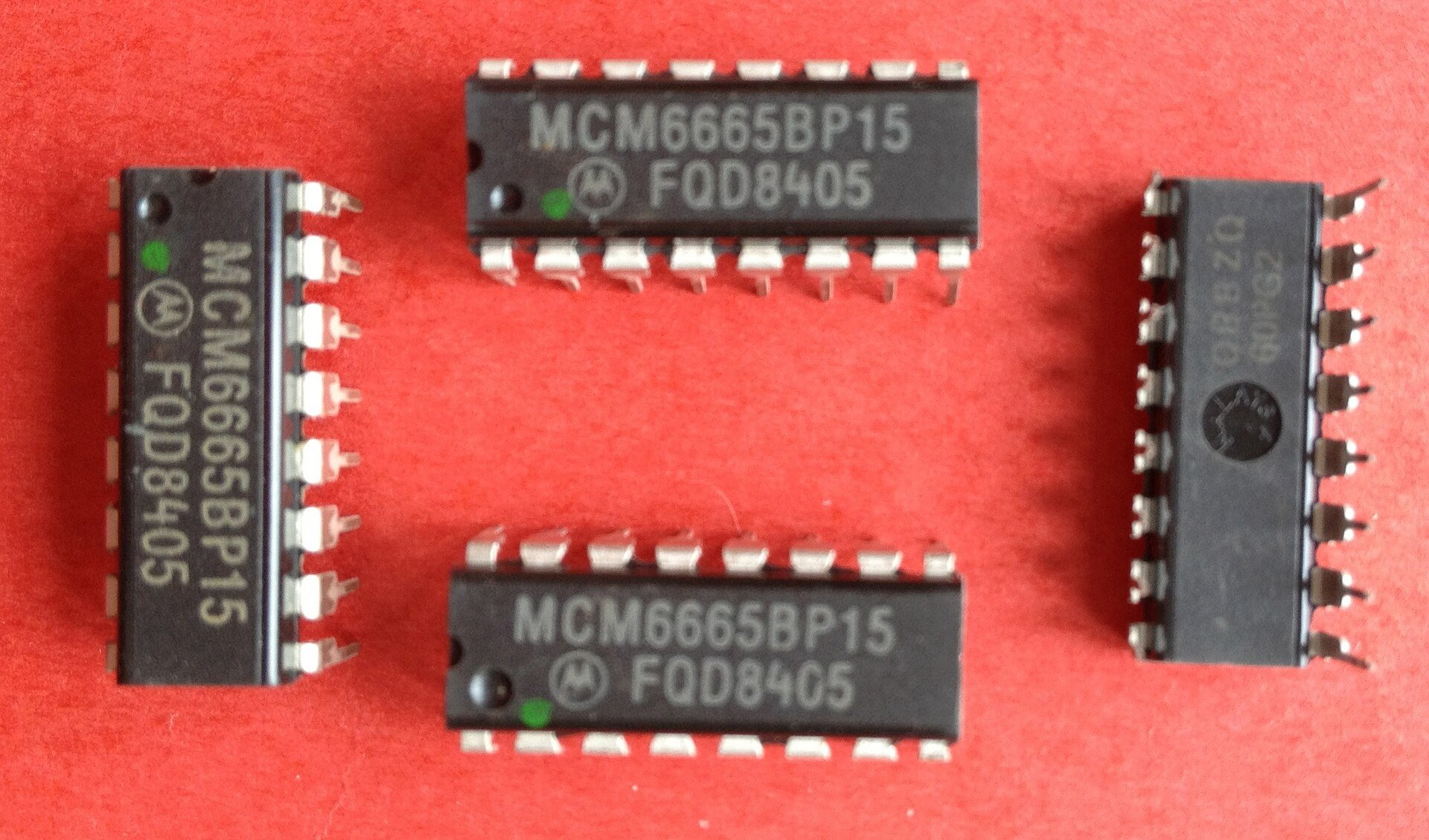

The AI boom has a strange new victim: the car or scooter you might be booking this winter. The same memory chips that sit inside a dashboard screen, a battery controller or a driver-assist camera are being squeezed by the world's rush to build AI data centres, and Indian vehicle makers say they are now paying more to keep their assembly lines running.
Business Standard reported late on Sunday that companies including Tata Motors Passenger Vehicles, Mahindra & Mahindra and Ather Energy are facing higher semiconductor bills, with some paying premiums and stockpiling parts so production doesn't stall. According to the report, Tata Motors PV chief Shailesh Chandra told analysts on the company's September-quarter earnings call that it was paying more for chips and electronic components, though it hadn't lost any production yet. He didn't say how much extra each vehicle now costs.
Mahindra has gone a step further. The paper said that on its March-quarter call in May, the company said it was buying memory chips in the open market, at higher prices, to build up a buffer, and its auto chief Rajesh Jejurikar said the problem would not go away for a while. This isn't a sudden worry for Mahindra: back in March, Mint reported that the company was already paying a premium for chips and had a set of fallback plans ready.
Ather's Tarun Mehta was blunter. "Unfortunately, memories continue to be really, really complicated and expensive," he said on the electric scooter maker's October earnings call, as quoted by Business Standard. He said there was no near-term fix.
So why is a data centre in Texas or Taiwan affecting a factory in Pune or Hosur? Chipmakers are shifting factory capacity towards the high-end memory and processors that AI servers gobble up, Reuters reported. The plainer, older chips that cars rely on get less attention. Reuters reported from the Electronica trade fair in Munich last week that Nexperia, a big supplier of basic auto chips, is "totally oversubscribed", and STMicroelectronics' CEO Jean-Marc Chery warned of widespread bottlenecks as foundries move resources away from automotive and industrial products.
The numbers being thrown around are steep. Business Standard cited S&P Global Mobility as estimating that prices on new automotive DRAM contracts (DRAM is the working memory in most electronics) could rise 70 to 100 per cent in 2026 compared with 2025, with supply staying tight through 2027. To be fair, memory is a small slice of a vehicle's bill: the Mint report put it at roughly $10 to $20 in an entry-level vehicle and $40 to $80 in a more advanced one. But when a carmaker is already juggling costlier steel and copper, every extra rupee eats into margins.
The timing is awkward because demand is booming, especially for EVs. Dealers' body FADA recorded about 3.55 lakh electric vehicle sales in October, a record, with Business Standard putting the year-on-year jump at nearly 45 per cent. Electric car registrations alone rose about 76 per cent to 37,049, Business Today reported from the FADA data. FADA president Sai Giridhar earlier said some buyers were waiting up to eight months, Business Standard reported, and he has said supply, not demand, is now what's holding growth back.
What happens next? Nobody has said prices on showroom stickers will go up because of this, and the companies haven't put a number on the extra cost. The big question is whether the chip squeeze eases in 2027 as some hope, or drags on, in which case waiting lists could get longer and discounts thinner. Watch the next round of earnings calls in early 2027 for clues.
Get the day's best stories on WhatsApp. Free, a few a day, no spam.
Follow on WhatsAppSource ledger · स्रोत खाता
Each fact in this story, where it came from, and how it was checked.
| Fact | Source | Check |
|---|---|---|
| Tata Motors PV, M&M and Ather face higher chip costs; some automakers paying premiums and building inventory | Business Standard | Single source |
| Shailesh Chandra said on Q2 earnings call TMPV paying more for chips, no production lost, no per-vehicle cost given | Business Standard | Single source |
| M&M buying memory chips in aftermarket at higher cost to build inventory; Jejurikar expects constraints to persist | Business Standard | Single source |
| M&M was already paying a premium for chips in March 2026 and had mitigating actions | Mint (republished by Communications Today) | Single source |
| Ather's Tarun Mehta said on October earnings call memory chips remain complicated and expensive | Business Standard | Single source |
| Nexperia interim CEO said company is 'totally oversubscribed'; STMicro CEO Chery warned foundries shifting resources away from auto/industrial, many bottlenecks | Business Standard | Confirmed, independent outlets |
| S&P Global Mobility: new automotive DRAM contract prices could rise 70-100% in 2026 vs 2025; supply constrained through 2027 | Business Standard | Single source |
| Memory chip content per vehicle roughly $10-20 entry-level, up to $40-80 advanced | Mint (republished by Communications Today) | Single source |
| FADA: record ~3.55 lakh EV sales in October 2026 | Business Standard | Confirmed, independent outlets |
| EV sales up 44.88% (nearly 45%) year on year in October | Business Standard | Single source |
| Electric car registrations 37,049 in October, up 76.47% YoY (FADA) | Business Today | Single source |
| Some customers wait up to eight months; FADA president Sai Giridhar says supply is the main constraint | Business Standard | Single source |
| Commodity costs (steel, copper) also pressuring margins | Business Standard | Single source |
Corrections to this story: none.