Australia's graduate visa: bring your family now, or not at all
From 13 November, students moving onto Australia's popular post-study work visa can no longer send for a spouse or children later. For many Indian graduates, the family plan now has to be sorted before they apply.
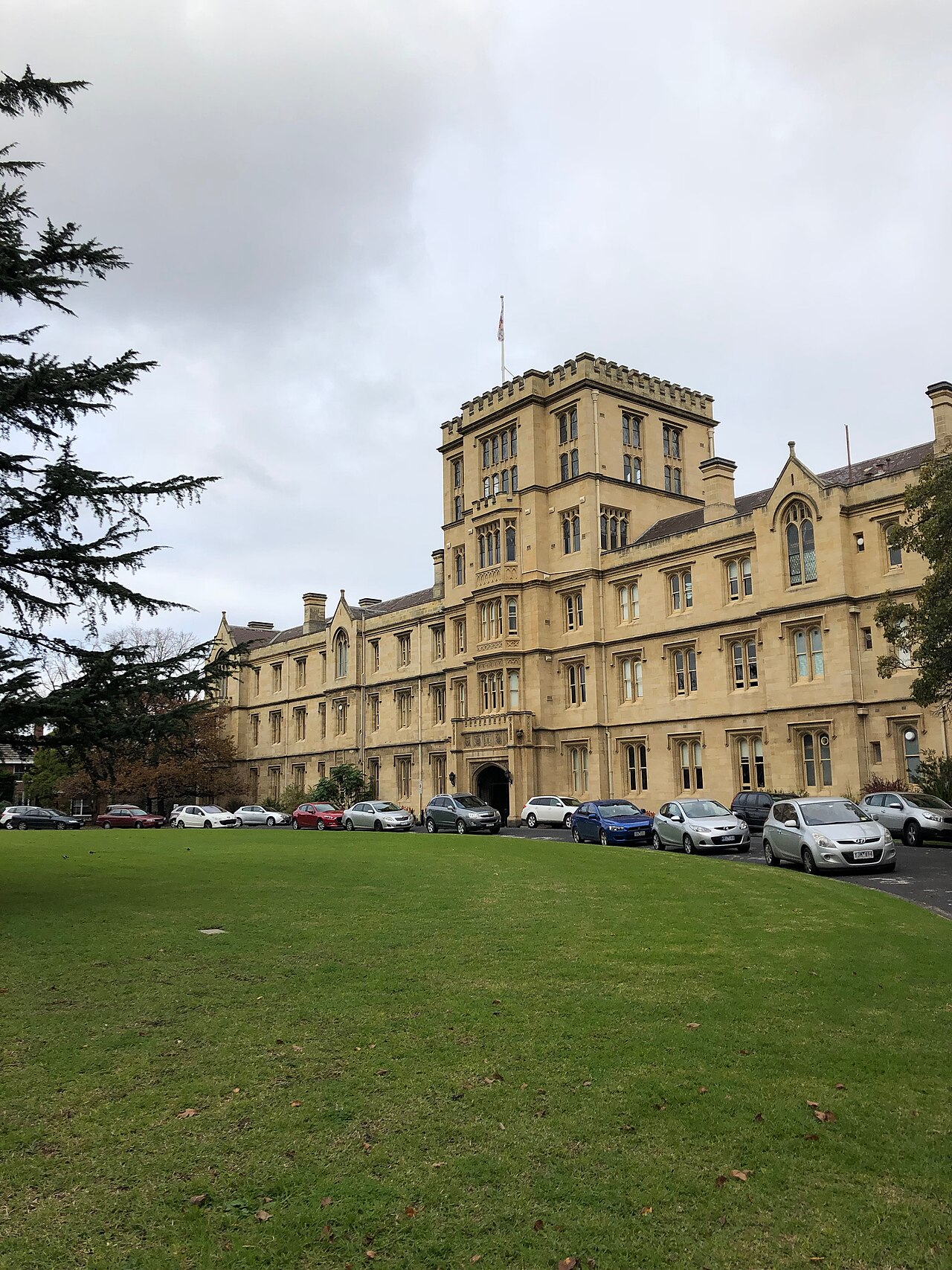

Here's a scene many Indian families know well: one person finishes a degree in Melbourne or Sydney, lands the post-study work visa, and the spouse or kids follow a few months later once things settle. Australia has just closed that route.
New rules for the Temporary Graduate visa, known as subclass 485, took effect on 13 November 2026. This is the visa that lets international students stay and work in Australia after they finish studying. The change comes through the Migration Amendment (Temporary Graduate Visa Reform) Regulations 2026, which appear on Australia's federal legislation register dated 12 November.
The big shift: family members "must now apply at the same time as the primary 485 applicant," according to The Koala News, which reviewed the government's explanatory statement. Earlier, partners and children could be added later as "subsequent entrants." That option is gone for new applications. Applications already lodged before 13 November aren't affected.
There's a second catch. Partners and dependent children generally need to have held, or recently held, a Student or Temporary Graduate visa themselves as a dependant of the main applicant. The rules include a six-month lookback, and a specific date of 2 October 2026 also matters for student visa holders, migration law firm Ethos Migration explains. There are exceptions for some passport holders (under provisions covering certain ASEAN and Pacific countries), for people who finished a doctorate, and for those whose studies were fully funded by a foreign government. Children born after the main applicant's latest visa grant can also be included. The material we read does not list any exception covering Indian passports.
Why does this matter to India? According to an analysis of government data by higher-education policy analyst Andrew Norton in 2025, India has "by far the highest number of 485 visa holders," and South Asian countries together made up about 60 percent of them. So Indian graduates are the biggest single group this change could touch.
The government's stated aim, per the Department of Home Affairs, is to "reinforce the purpose of the Temporary Graduate visa", meaning work experience rather than family migration. The explanatory statement itself admits the cost: some families "may have to choose between remaining together outside Australia."
What should students do? Migration lawyers advise checking each family member's visa history and grant dates now, and lodging everyone together rather than waiting until after the 485 is granted. What's still unclear is how many families will be caught out, as no official figures on affected applicants have been published in the sources we read. For your own case, talk to a registered migration agent.
Get the day's best stories on WhatsApp. Free, a few a day, no spam.
Follow on WhatsAppSource ledger · स्रोत खाता
Each fact in this story, where it came from, and how it was checked.
| Fact | Source | Check |
|---|---|---|
| Migration Amendment (Temporary Graduate Visa Reform) Regulations 2026 registered | Federal Register of Legislation, Australian Government | Confirmed, official source |
| Family members must apply with primary 485 applicant from 13 Nov; quotes from explanatory statement | The Koala News | Confirmed, independent outlets |
| Details of eligibility pathways and exceptions | Ethos Migration Lawyers | Confirmed, independent outlets |
| India has the highest number of 485 holders; South Asia about 60% | Andrew Norton (2025 analysis) | Single source |
Corrections to this story: none.