Five of India’s 12 approved chip projects are now in commercial production
The IT Ministry is also targeting a homegrown GPU within two years.
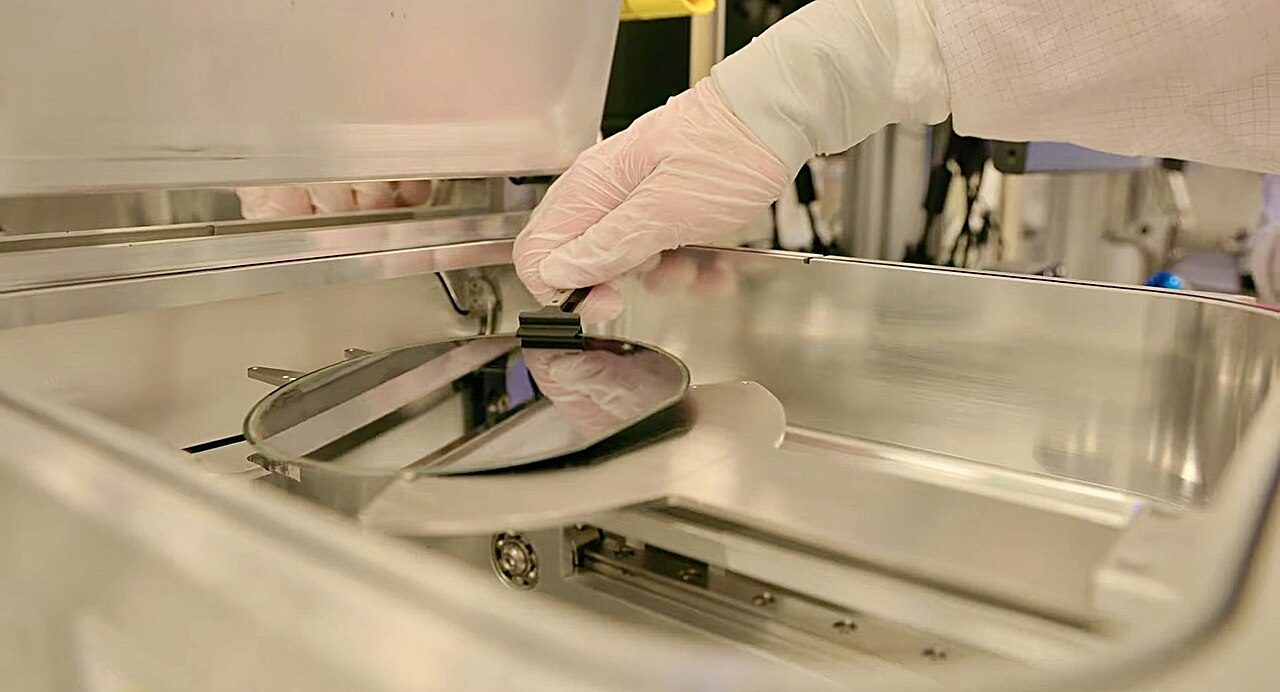

India has approved 12 semiconductor manufacturing projects and five of them have begun commercial production, India Semiconductor Mission chief executive Amitesh Kumar Sinha said on 5 November.
Mr Sinha, who is also an Additional Secretary in the IT Ministry, was speaking at the ISIG Executive Summit India 2026. He said the country’s chip strategy has moved from policy design to building the ecosystem. Semiconductors, or chips, are the tiny electronic parts that run phones, cars and computers.
The count has grown through the year. In early July, IT Minister Ashwini Vaishnaw said three of the 12 approved projects were in commercial production and that five plants were expected to be running by the end of 2026, The Tribune reported. The third was CG Semi’s plant at Sanand in Gujarat, which assembles and tests chips made elsewhere. On 30 July, IT Secretary S. Krishnan also put the number in commercial production at three, News On AIR reported.
The government’s second chip programme, India Semiconductor Mission 2.0, was approved with an outlay of ₹1,27,500 crore, Mr Krishnan said in July, according to News On AIR. It supports chip fabrication units, known as fabs, and packaging and testing plants. It also covers the equipment, materials, special gases and chemicals that chip factories need.
For ordinary buyers the chips are not a distant matter. Chips from the Sanand plant will go to Indian makers of cars, scooters and industrial equipment, and will also be exported to Japan, the United States and Europe, The Tribune reported. The same report put India’s electronics manufacturing sector at close to ₹13 lakh crore, with more than 25 lakh jobs.
“Semicon 2.0 is about building the broader ecosystem, including design companies, materials, chemicals, gases and equipment,” Mr Sinha said, according to IANS. He named India’s market, its talent and government incentives as strengths, and said global technology partnerships and sturdy supply chains would be essential. Dr Shalu Agarwal of ISIG, which held the summit, said India’s opportunity in advanced packaging and power electronics “is real”.
Separately, IT Secretary S. Krishnan said in an interview that India aims to develop its own graphics processing unit in about two years, ETGovernment reported. A graphics processing unit, or GPU, is the kind of chip used to train and run artificial intelligence systems. IANS reported that the project is to be taken up under India Semiconductor Mission 2.0, and that Mr Krishnan called it a complex task with a target of roughly 24 months.
Some pieces are already in place, IANS reported. VVDN Technologies, Kaynes Technology and Avalon Technologies make servers in India, and the Centre for Development of Advanced Computing has built its Rudra servers for AI work. Dutch equipment maker ASML is working with Tata Electronics on India’s first commercial chip fab at Dholera in Gujarat. That plant is expected to use 300 mm wafers, the silicon discs on which chips are made, and to reach 50,000 wafers a month in time.
The summit was the first ISIG has held in India, and the next is planned for 30 November and 1 December 2027, IANS reported. ISIG also signed a pact with the Bihar government on the state’s chip and electronics industry.
It is not known which five projects are in commercial production; the reports NewsKhata read do not name them. They also do not say who will design or make the planned GPU, or what it will be able to do. NewsKhata has not found an official release with Mr Sinha’s remarks, which rest on IANS reports.
Get the day's best stories on WhatsApp. Free, a few a day, no spam.
Follow on WhatsAppSource ledger · स्रोत खाता
Each fact in this story, where it came from, and how it was checked.
| Fact | Source | Check |
|---|---|---|
| 12 projects approved, five in commercial production | IANS | Single source |
| Statement by Amitesh Kumar Sinha at ISIG Executive Summit India 2026 | IANS, as carried by Hi India | Single source |
| GPU target of about two years | Tom’s Hardware, citing ETGovernment | Single source |
| In early July 2026 Vaishnaw said 12 projects approved, three in commercial production, five plants expected operational by end of 2026; CG Semi OSAT plant at Sanand was the third | The Tribune (5 July 2026) | Single source |
| On 30 July 2026 Krishnan said three units had begun commercial production; ISM 2.0 approved with outlay of Rs 1,27,500 crore; supports fabs, packaging, ATMP/OSAT, equipment, materials, gases, chemicals | News On AIR | Single source |
| Sanand chips to serve Indian automotive, scooter and industrial equipment makers and be exported to Japan, US, Europe; electronics manufacturing sector close to Rs 13 lakh crore and over 25 lakh jobs | The Tribune | Single source |
| Sinha quote: Semicon 2.0 is about building the broader ecosystem, including design companies, materials, chemicals, gases and equipment; market, talent, incentives are advantages; partnerships and resilient supply chains essential | IANS (ianslive; also carried by ap7am) | Single source |
| Dr Shalu Agarwal (ISIG): India’s opportunity in advanced packaging and power electronics ‘is real’ | IANS | Single source |
| GPU project to be pursued under ISM 2.0; Krishnan called it complex, target roughly 24 months | IANS as carried by ap7am (9 Nov 2026) | Single source |
| VVDN, Kaynes and Avalon make servers in India; C-DAC built Rudra servers; ASML partnering Tata Electronics on Dholera fab, 300 mm wafers, eventual 50,000 wafers a month | IANS as carried by ap7am | Single source |
| First ISIG summit in India; next on 30 Nov to 1 Dec 2027; ISIG pact with Bihar government | IANS | Single source |
Corrections to this story: none.