Cleaner cotton, a 'Kasturi' tag and ₹500 a bale: the fine print of India's cotton mission
New operational guidelines for the Kapas Kanti cotton mission, reported last week, spell out how ginning mills, farmers and labs will be paid to make Indian cotton cleaner and easier to trace.
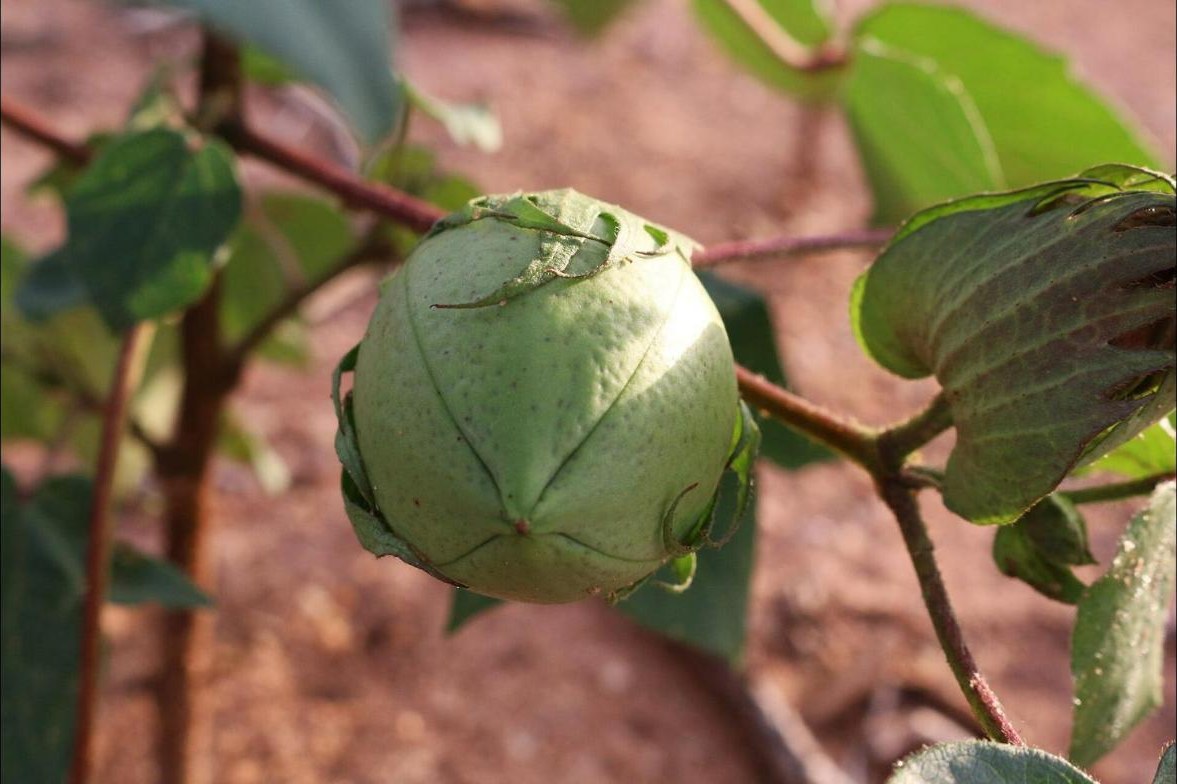

Ever bought a cotton kurta that pilled, or a shirt with odd little flecks in the weave? A lot of that starts long before the fabric reaches a mill. Bits of plastic, jute and hair get mixed into raw cotton at the farm and the ginning factory. The rules for Kapas Kanti, the government's new cotton mission, are aimed squarely at that problem, and they put a price on cleanliness.
Operational guidelines for the mission, attributed to the Ministry of Textiles, were published on 13 November by SJ EXIM Services, a trade-advisory site that also posted the guidelines document. We could not find the same text on the ministry's or PIB's websites, so the finer numbers below should be read as reported, not yet officially confirmed.
First, the big picture, which is official. The Union Cabinet approved the Mission for Cotton Productivity on 5 May 2026, with ₹5,659.22 crore to spend from 2026-27 to 2030-31, according to the Prime Minister's Office. The aim is to lift lint yields from about 440 kg per hectare to 755 kg by 2031 and to reach 498 lakh bales of production. The PMO says about 32 lakh farmers in 140 districts across 14 states should benefit, along with 2,000 ginning and processing factories. It called the mission "a milestone in making the country self-reliant in Cotton Sector."
Now the fine print. Ginning is the step where seeds are pulled out of raw cotton and the fibre is pressed into bales. Under the reported guidelines, a ginning factory gets ₹500 for every bale certified under Kasturi Cotton Bharat, India's quality and traceability label, up to ₹75 lakh per factory. To qualify, a factory reportedly needs at least a three-star rating from the Textiles Committee and an air-jet lint cleaner. Half the money comes after certification, and half after the bale is sold. The target is 133 lakh certified bales over five years.
Farmers come in too. A contamination-control programme is meant to reach at least 2 lakh farmers, with the Centre paying 60% and states 40%, and the central share capped at ₹3,000 per farmer, according to the guidelines as published. The goal is to keep contamination below 2%, a figure that also appears in the Cabinet's approval.
There's money for checking quality as well. A Lok Sabha reply in August, released by PIB, said the Cotton Corporation of India will run a ₹1,000 crore component that includes 50 cotton testing labs, to be set up through public-private partnerships. The new guidelines reportedly offer about ₹60 lakh per lab and require NABL accreditation. They also mention training for 10,000 ginning workers, support of up to ₹50 lakh for startups and three pilot textile recovery facilities.
Why should a shopper care? Cleaner, traceable cotton is what global brands increasingly ask for, and it can mean better fabric at home too. What's still unknown: how quickly ginners sign up, whether states pay their 40% share on time, and when the ministry itself publishes the guidelines. We'll update when it does.
Get the day's best stories on WhatsApp. Free, a few a day, no spam.
Follow on WhatsAppSource ledger · स्रोत खाता
Each fact in this story, where it came from, and how it was checked.
| Fact | Source | Check |
|---|---|---|
| Cabinet approved Mission for Cotton Productivity on 5 May 2026; ₹5,659.22 crore outlay, 2026-27 to 2030-31; 440 to 755 kg/ha by 2031; 498 lakh bales; ~32 lakh farmers; 140 districts, 14 states; 2,000 ginning factories; Kasturi Cotton Bharat branding; trash below 2%; quote | Prime Minister's Office (pmindia.gov.in) | Confirmed, official source |
| Component II run by Cotton Corporation of India, ₹1,000 crore; 50 cotton testing labs via RFP under PPP; Lok Sabha reply released 4 Aug 2026 | PIB (Ministry of Textiles) | Confirmed, official source |
| Operational guidelines published 13 Nov 2026, attributed to Ministry of Textiles: ₹500 per certified KCB bale capped at ₹75 lakh per factory; three-star Textiles Committee rating and air-jet lint cleaner; 50/50 payment; 133 lakh bales target; contamination-control for ≥2 lakh farmers, 60:40, central share capped ₹3,000/farmer; ₹60 lakh per lab, NABL; 10,000 workers trained; startups up to ₹50 lakh; three pilot textile recovery facilities | SJ EXIM Services (citing Ministry of Textiles) | Single source |
Corrections to this story: none.