Tiny plastics in your face scrub? Skin doctors say we still don't know what they do to skin
A new review in a dermatology journal finds plastic particles in about one in six personal care products tested in earlier studies, but says there is no proof yet that they cause skin disease.
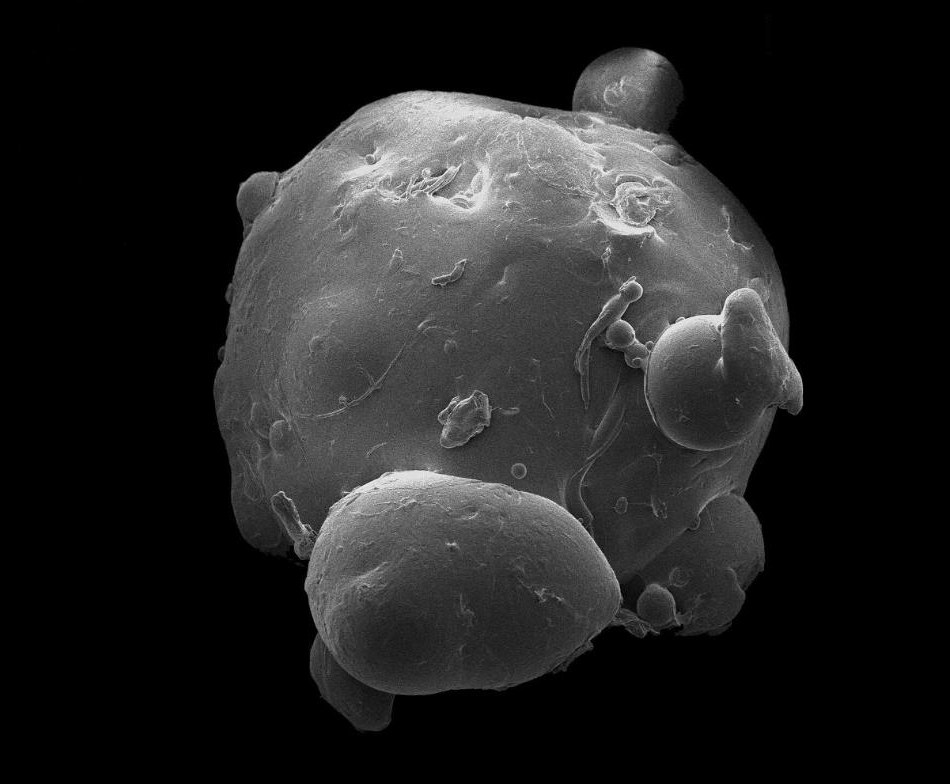

That gritty face scrub sitting by your sink might contain more than walnut shells. A new review by a group of American skin specialists looks at how microplastics in skincare and other everyday sources land on our skin, and it ends with an honest admission: nobody yet knows for sure whether they harm it.
The paper, published online on 16 November in the American Journal of Clinical Dermatology, pulls together existing research rather than running a new experiment. Its authors are from Rutgers, Yale, Vanderbilt and the University of Pennsylvania, according to the health news site News-Medical. Microplastics are plastic bits smaller than 5 mm; nanoplastics are smaller than one micrometre, far too small to see.
Why skin? Because, the authors point out, it's where most personal care products go. The review cites a 2024 analysis that found small plastic particles in about 16% of 2,379 personal care products examined. Facial scrubs had the highest rate, at roughly 26.5%, News-Medical reported, followed by foot and body scrubs, toothpaste and soaps. Another 2025 study counted about 1,57,000 microparticles across 22 commercial cleansers, the review notes.
So do these particles get inside us through the skin? That's the big unknown. Lab studies suggest they can stick to the skin's outer layer, collect in hair follicles and go deeper when the skin barrier is damaged, the authors write. But whether they pass through healthy, intact human skin into the body is unclear.
Experiments on skin cells grown in a dish have shown nanoplastics causing stress and inflammation in cells, according to News-Medical's summary, though the doses used may be far higher than what people actually meet in daily life. Plastics can also carry other chemicals, metals and microbes, the review says, and early data hint at links with some inflammatory skin problems. The authors are careful here: "definitive causal relationships with cutaneous disease have not yet been established," they write. Cutaneous simply means skin.
Labels are part of the problem. Many cosmetics use plastic-type ingredients such as polyethylene or polymethyl methacrylate, but the review stresses that seeing one of these on a label doesn't automatically mean there are plastic particles inside. Ingredient lists rarely say anything about particle size or form, which makes it hard for shoppers, or doctors, to judge exposure.
Rules also vary. The US ban on microbeads covers rinse-off products but leaves out leave-on items like creams, serums and sunscreens, the authors note, while the European Union will require reporting of synthetic polymer microparticles in cosmetics from 2026. In India, the Bureau of Indian Standards proposed back in 2017 to list non-biodegradable plastic microbeads as not safe for cosmetics, PTI reported at the time.
The authors also disclosed professional or financial ties to pharmaceutical and cosmetic companies, including L'Oréal, News-Medical reported, and said the review had no organisational funding.
What do they recommend? Not panic, and not routine testing of patients. They want dermatologists to educate people, push for clearer labelling and back research that can tell apart particles that merely sit on the skin from those that are actually absorbed. Until that research arrives, the honest answer to "are microplastics bad for my skin?" remains: we don't know yet.
Get the day's best stories on WhatsApp. Free, a few a day, no spam.
Follow on WhatsAppSource ledger · स्रोत खाता
Each fact in this story, where it came from, and how it was checked.
| Fact | Source | Check |
|---|---|---|
| Primary paper: title, journal, online date 16 Nov 2026, article type, abstract findings, 16% of 2,379 products, ~157,000 microparticles in 22 cleansers, US law excludes leave-on products, EU REACH reporting from 2026, labels don't show particle size, conclusion quote | American Journal of Clinical Dermatology (Springer) | Confirmed, official source |
| Author institutions; narrative review; facial scrub 26.5% and other category rates; cell-study findings and dose caveat; author ties to cosmetic firms incl. L'Oréal and no organisational funding | News-Medical | Single source |
| BIS in 2017 proposed listing non-biodegradable polymeric microbeads as not safe for cosmetics (draft) | Business Standard (PTI) | Single source |
Corrections to this story: none.