The wedding calendar that moves India's economy
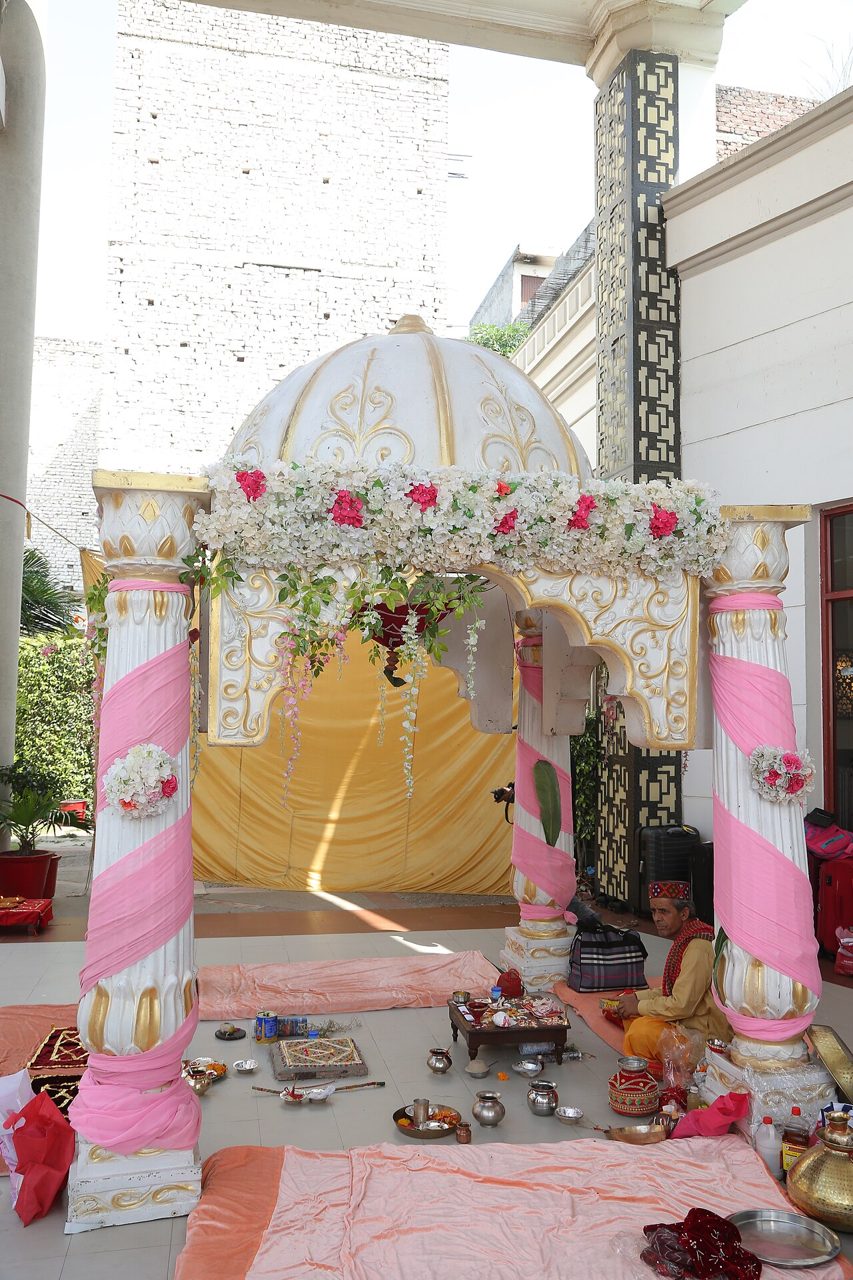
Walk past any jewellery showroom in late November and you will see it: families huddled over trays of necklaces, a calculator going click-click, someone's aunt holding a bangle up to the light. Down the road, a sherwani shop is out of the popular sizes, and the caterer's phone will not stop ringing. Wedding season has arrived.
It feels like a family matter. It is. But add up lakhs of families doing it in the same few weeks, and it becomes something big enough to show up in company results and in the economy.
Why everyone marries in the same few weeks
Many Hindu families pick a wedding date using the panchang, the traditional calendar that tracks the moon, the stars and the planets. A date judged lucky for a wedding is called a 'muhurat'. Families ask a priest or astrologer, and the same handful of dates gets booked across a whole city.
Some stretches of the year are traditionally skipped. Chaturmas, a roughly four-month period when Lord Vishnu is believed to rest, usually has no weddings. It ends on Dev Uthani (Prabodhini) Ekadashi, which falls on 20 November this year (some calendars mark 21 November), and the wedding season starts with it. Another pause, Kharmas, comes when the Sun passes through Sagittarius, roughly mid-December to mid-January.
Think of it like a cricket season. There are only so many match days, so every ground, umpire and chai stall gets booked at once. One Delhi calendar lists muhurats on 21, 24, 25 and 26 November 2026, and Motilal Oswal counts seven more in December. Other regions and traditions have their own calendars, so the exact dates differ.
Why the number of dates keeps changing
The panchang runs mostly on the moon, and a lunar year is about 11 days shorter than a solar year. To stop festivals slowly drifting out of their seasons, an extra month called Adhik Maas is added roughly every 32 to 33 months. It is like a clock that runs a little slow, so you correct it now and then.
2026 had one: an extra Jyeshtha month from 17 May to 15 June, making it a 13-month lunar year. Weddings and other big ceremonies are usually avoided then. The positions of Venus and Jupiter matter too: when either is 'combust' (too close to the Sun in the sky), traditional calendars mark that time unsuitable for weddings. Put all this together and some years get many good dates, while others get fewer.
That shift shows up in business results. Vedant Fashions, which owns the Manyavar brand, had five wedding dates in its July–September quarter this year. Its sales rose only about 2%. A research note from brokerage Motilal Oswal says about 11 wedding dates fall in October–December, and the company expects demand to bunch up between November 2026 and January 2027.
Gold: a gift that is also a safety net
Gold is the star of many Indian weddings, and not just for the sparkle. The World Gold Council (WGC) says bridal jewellery makes up about 50–55% of India's gold jewellery demand by weight. So roughly half of all the gold jewellery Indians buy is for weddings.
Part of the reason is streedhan: property a woman receives at marriage, which stays hers. Gold is easy to keep, easy to sell, and it travels with her. It works like a rainy-day tiffin that never goes stale. The WGC also found that bridal buying hardly drops when prices rise. Even as rupee gold prices almost doubled in the decade after 2012, it found, bridal jewellery lost only about 5–10% of its share.
Jewellers feel the season early. Kalyan Jewellers reported revenue up more than 26% for July–September 2026, helped by all nine days of Navratri falling in that quarter. The company said it was ready for the 'upcoming festive and wedding season' with new collections and showroom openings.
Who else gets busy
A wedding is like a whole mela packed into a few days. Clothes, jewellery, catering, decorators, tent houses, photographers, hotels and banquet halls, mehendi artists, band-baaja, travel and gifts all get busy together.
The Confederation of All India Traders (CAIT), a traders' body, makes a rough estimate each season. For last year's season, 1 November to 14 December 2025, it projected about 46 lakh weddings and around ₹6.5 lakh crore of spending, up from ₹5.9 lakh crore in 2024. It said clothing, jewellery and catering were among the biggest parts. CAIT also said over 70% of wedding purchases were Indian-made goods. These were estimates from trader surveys, made before that season began, not official counts. The WGC notes that India has no official record of how many weddings happen each year, and puts it at roughly 11–13 million.
So what?
When lakhs of families celebrate in the same weeks, money moves to many people at once: the goldsmith, the weaver, the cook, the flower seller and the driver who ferries guests. That is why jewellery and clothing companies watch the muhurat calendar as closely as any aunty planning a wedding. It is also why a 'slow' quarter for them can just mean the good dates fell in the next one. Whatever your community's customs, the wedding calendar quietly shapes jobs and shop sales across India.
- Bridal share of gold demand, streedhan, 11–13 million weddings a year, price insensitivity: World Gold Council
- CAIT 2025 estimate: 46 lakh weddings, ₹6.5 lakh crore, 70% Indian-made: BW Businessworld
- Kalyan Jewellers Q2 FY27 revenue up 26%, Navratri, wedding season readiness: Business Today
- Vedant Fashions Q2 FY27: wedding dates per quarter, demand Nov 2026–Jan 2027: Motilal Oswal research note (PDF)
- Adhik Maas 2026 dates and why it is added: Free Press Journal
- Nov 2026 muhurat dates, Chaturmas, Kharmas, combust Venus/Jupiter: VedicFeed
- Dev Uthani (Prabodhini) Ekadashi 2026 date: Drik Panchang
Spotted a mistake or have an idea for a read? Write to [email protected].
