Wholesale prices up 12%, retail 6%: WPI vs CPI explained
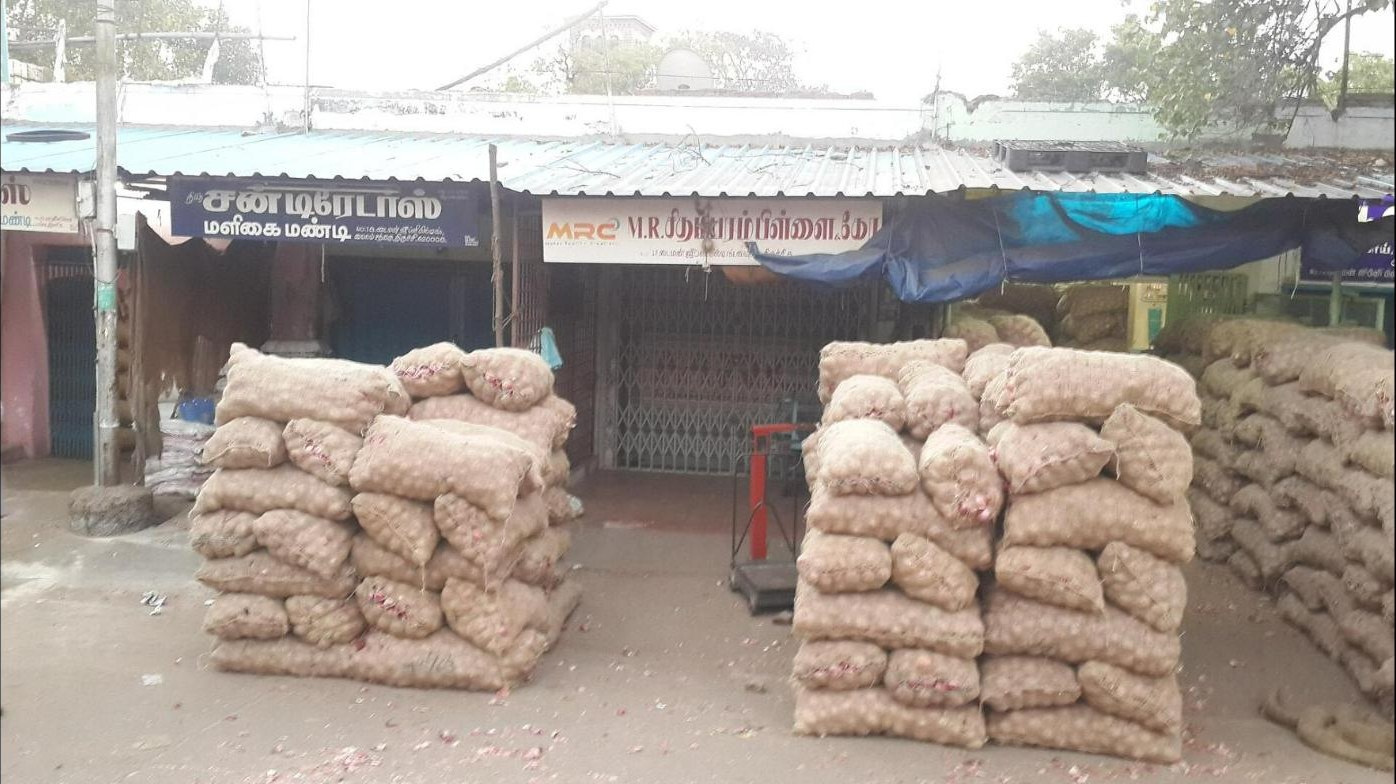
If you read the business pages on Monday, you may have done a double take. Wholesale prices in India were 12.29% higher in October than a year earlier, according to provisional data released by the Ministry of Commerce and Industry on 16 November. Business Standard reported that this is the highest reading in the current series. Yet just four days earlier, on 12 November, the statistics ministry said retail inflation, the rise in what households pay, was 6.09%.
So are prices rising by 6% or by 12%? The honest answer is that both numbers are correct. They measure different things, at different stops on the journey a product makes before it reaches you.
Two prices for one cup of chai
Think of your neighbourhood tea stall. The chaiwala buys milk, tea leaves, sugar and a gas cylinder in bulk. When those supplies get costlier, his bill goes up straight away. But the price of your cup depends on more than supplies: his rent, his helper's wages, and how many regulars he might lose if he charges more. He may absorb the hit for a few weeks, add a rupee, or wait and see. Wholesale inflation is like tracking what the chaiwala pays for his supplies. Retail inflation is like tracking what you pay for the cup.
What WPI measures
The Wholesale Price Index, or WPI, tracks the prices of goods as they change hands in bulk, well before they reach a shop shelf. It is compiled by the Office of the Economic Adviser in the Department for Promotion of Industry and Internal Trade (DPIIT), under the commerce ministry. This year it moved to a new base year, 2022-23, and its basket grew from 697 items to 957.
The basket has three big groups. Manufactured products, such as steel, chemicals, textiles and packaged food, make up about 63% of the index. Primary articles, such as grains, vegetables and minerals, are about 23%. Fuel and power, which covers crude oil, petroleum products, coal and electricity, is about 14%, according to ICRA's breakdown of the new weights. Notice what is missing: services. A haircut, school fees or a doctor's visit are not in WPI at all.
What CPI measures
The Consumer Price Index, or CPI, asks a different question: what does a typical household pay? It is released by the Ministry of Statistics and Programme Implementation (MoSPI), whose National Statistical Office collects prices from 1,407 urban markets and 1,465 villages. A new CPI series, with 2024 as its base year, began with the January 2026 numbers. In it, food and beverages carry a weight of 36.75%, still the single biggest slice of the basket. CPI also includes services such as housing, health, education and eating out.
In October, food did much of the pushing. Food inflation in CPI was 8.94%, and onion prices were more than double what they were a year ago. Meanwhile, the CPI group covering housing, water, electricity, gas and other fuels rose only 2.90%, according to MoSPI figures reported by DD News.
Why the two numbers drift apart
This October, the gap is mostly about fuel. WPI's fuel and power group rose 32.84%, and within it, crude petroleum and natural gas jumped 70.8%. Business Standard reported that fuel and power alone accounted for 83 of the 90 basis points by which headline WPI rose from September, and linked the surge to the prolonged West Asia crisis.
Three things soften that blow before it reaches your wallet. The first is the basket. Households don't buy crude oil; refineries and factories do. For a family, fuel is one cost tucked inside many finished goods and services. The second is services. Rent, tuition and medical bills sit in CPI but not in WPI, and they don't swing with world oil prices. Radhika Pandey, an economist at the National Institute of Public Finance and Policy, pointed out in a 2023 column that WPI is heavy with goods traded globally, which track world prices, while CPI has a large share of non-traded items like services. The third is time. Businesses often swallow higher costs for a while before passing them on.
Which number does the RBI watch?
The Reserve Bank of India's inflation target is set in terms of CPI, not WPI. The government has fixed that target at 4%, with a tolerance band of 2% to 6%, for five years from April 2026 to March 2031. October's 6.09% is just above the top of that band, the first such breach in two years, according to news reports. Business Standard notes that WPI is not actively considered when monetary policy is set, but economists still read it closely as an early signal of where costs are heading.
What the gap could mean for prices ahead
A wide gap can close from the top down: if producers keep paying more, they may eventually charge more. Madan Sabnavis, chief economist at Bank of Baroda, told Business Standard that companies have passed on "only a limited part of the input cost increase to consumers". Business Standard's report adds that this is likely to show up in core retail inflation, which leaves out food and fuel, over the coming months.
The gap can also close from the bottom up, if wholesale pressure eases. ICRA expects WPI inflation to cool to 11.6% in November, citing a sharp fall in global energy prices. Pranjal Ghate, an economist at Brickwork Ratings, said that if the dip in crude lasts, retail inflation should ease with a lag through cheaper inputs and transport. Several economists quoted by Business Standard expect the RBI to raise interest rates at its 2 to 4 December meeting.
So the next time a headline says wholesale prices are up by double digits, it doesn't mean your shop bills will jump by the same amount, but it's worth keeping an eye on. WPI is like dark clouds over the hills; CPI tells you whether it is raining at your door. November's retail inflation figure is due on 14 December.
- WPI Oct 2026 at 12.29%, series high; 2022-23 base; fuel & power 32.84%, crude 70.8%, 83 of 90 bps; West Asia; Sabnavis, Ghate, ICRA 11.6% forecast; WPI not formally used in policy; Dec 2-4 MPC; manufactured weight 63.1%: Business Standard
- WPI release on 16 Nov by Ministry of Commerce and Industry, provisional; Sept 11.39%; components: The Tribune
- CPI Oct 2026 6.09%, released 12 Nov by MoSPI; RBI 4% target with 2-6% band: The Tribune (ANI)
- CPI details: base 2024, food 8.94%, onion 116.22%, housing/fuel group 2.90%, NSO price collection in 1,407 urban markets and 1,465 villages; next release 14 Dec: DD News
- New CPI series base 2024 from Jan 2026 data; food & beverages weight 36.75% (from 45.86%): The Policy Edge
- WPI 2022-23 weights: primary 22.76%, fuel & power 14.11%, manufactured 63.13%; no services in WPI: ICRA
- WPI compiled by Office of the Economic Adviser, DPIIT; revised 2022-23 series; 697 to 957 items; WPI to be discontinued after five years for PPI: Office of the Economic Adviser, DPIIT (press release, June 2026)
- RBI inflation target defined in terms of CPI; 2-6% band: Reserve Bank of India
- 4% target with 2-6% band extended for April 2026 to March 2031: Outlook Money
- CPI breach of 6% first in two years; WPI highest in 2022-23 series: The Morning Voice
- Services in CPI not WPI; WPI tradeables vs CPI non-tradeables (Radhika Pandey, NIPFP): ThePrint
Spotted a mistake or have an idea for a read? Write to [email protected].
