Your bathroom shelf features in a new UN report on hormone-disrupting chemicals. Here's what it actually says
A UNEP-WHO report released in Geneva on 17 November lists personal care products among the main everyday uses of hormone-disrupting chemicals. It asks companies to test, disclose and substitute, and it names no brands.
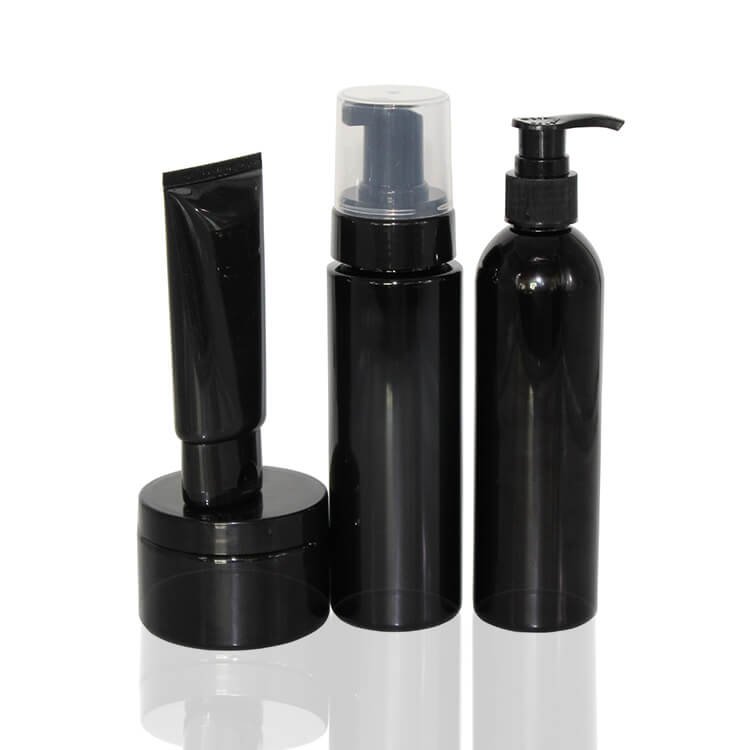

Take a quick look at your bathroom shelf: shampoo, face wash, moisturiser, maybe a sunscreen. A major new United Nations report says personal care products like these are among the main everyday uses of chemicals that can interfere with the body's hormones, and it wants both companies and governments to act faster.
The report, The State of the Science on Endocrine Disrupting Chemicals 2026, was released on 17 November in Geneva by the UN Environment Programme (UNEP) and the World Health Organization (WHO). It is the first major global update on these chemicals, often called EDCs, since the two agencies' last assessment in 2012, according to their joint release.
So what are EDCs? They're substances that can interfere with hormones, the chemical messengers that run much of the body. The agencies say EDCs have been found in human blood, breast milk and umbilical cord blood, which means exposure can begin even before birth.
The report finds stronger evidence than before linking these chemicals to problems with fertility and reproductive development, brain development, thyroid function, metabolism, immunity and heart health, the WHO said. It is careful to add that important scientific gaps remain, so this is about a growing body of evidence, not a final verdict on every chemical.
Where do beauty products come in? The agencies list personal care items alongside plastics and pesticides as major uses of chemicals with hormone-disrupting properties. Personal Care Insights, a beauty trade publication, reported that the assessment names parabens, phthalates, triclosan, some UV filters and heavy metals as examples, and suggests manufacturers could look at alternative preservatives and mineral-based UV filters, depending on the product.
One number makes the scale clear. More than 350,000 chemicals and mixtures are registered for use worldwide, and only a small fraction have been checked for hormone-disrupting effects, the agencies said. The report also puts the global health costs linked to EDCs at more than $1.1 trillion a year, at least 1% of world GDP, and says that is likely an underestimate, according to The South First and EconoTimes.
There's an Indian thread in the report too. News site The South First reported that it cites the endosulfan pesticide disaster in Kerala's Kasaragod district as a case study. It also notes that India's draft Chemicals (Management and Safety) Rules, last published in a 2020 draft, had still not been notified as of July 2026. Cosmetics sold in India are separately regulated by the Central Drugs Standard Control Organisation (CDSCO) under the Cosmetics Rules, 2020.
Before you clear out your cupboard, note what the report does not do. The WHO release doesn't name any brand or product, and its advice to ordinary people is simply to make informed choices when good information is available. The heavier asks are aimed at industry: test products early, disclose what's in them, and swap out problem chemicals. WHO's Bruce Gordon put it simply: "Protecting health means preventing harmful exposures before they occur."
A companion guide from the two agencies, From Evidence to Action, sets out steps for cosmetics, food packaging, toys and textiles. The real test now is whether regulators, including India's, turn that advice into rules.
Get the day's best stories on WhatsApp. Free, a few a day, no spam.
Follow on WhatsAppSource ledger · स्रोत खाता
Each fact in this story, where it came from, and how it was checked.
| Fact | Source | Check |
|---|---|---|
| Report released 17 Nov 2026 in Geneva by UNEP and WHO | WHO | Confirmed, official source |
| Report released 17 Nov 2026 in Geneva by UNEP and WHO | UNEP | Confirmed, official source |
| First major global update since the 2012 assessment | WHO | Confirmed, official source |
| First major global update since the 2012 assessment | UNEP | Confirmed, official source |
| EDCs found in blood, breast milk and cord blood; exposure can begin before birth | WHO | Confirmed, official source |
| Stronger evidence linking EDCs to fertility/reproductive development, brain development, thyroid, metabolism, immunity, cardiovascular health; important gaps remain | WHO | Confirmed, official source |
| Personal care products listed with plastics and pesticides as major uses | WHO | Confirmed, official source |
| Personal care products listed with plastics and pesticides as major uses | UNEP | Confirmed, official source |
| Assessment names parabens, phthalates, triclosan, UV filters, heavy metals; suggests alternative preservatives and mineral UV filters depending on product | Personal Care Insights | Single source |
| More than 350,000 chemicals and mixtures registered; small fraction evaluated | WHO | Confirmed, official source |
| More than 350,000 chemicals and mixtures registered; small fraction evaluated | UNEP | Confirmed, official source |
| Global health costs over $1.1 trillion a year, about 1% of world GDP, likely an underestimate | The South First | Confirmed, independent outlets |
| Global health costs over $1.1 trillion a year, about 1% of world GDP, likely an underestimate | EconoTimes | Confirmed, independent outlets |
| Report cites endosulfan disaster in Kasaragod, Kerala | The South First | Single source |
| India's draft Chemicals (Management and Safety) Rules (2020 draft) not notified as of July 2026 | The South First | Single source |
| Cosmetics in India regulated by CDSCO under Cosmetics Rules, 2020 | Medical Dialogues | Single source |
| Release names no brand; public advised to make informed choices; companies urged to test early, disclose, substitute | WHO | Confirmed, official source |
| Companion 'From Evidence to Action' covers cosmetics, food packaging, toys, textiles | WHO | Confirmed, official source |
| Companion 'From Evidence to Action' covers cosmetics, food packaging, toys, textiles | UNEP | Confirmed, official source |
Corrections to this story: none.